Central AC or Ductless Mini-Splits? How to Choose the Cooling System That Actually Fits Your Home
Quick Answer: Central AC makes the most sense when your home already has good ductwork and you want one system cooling every room the same way. Ductless mini-splits win when you're cooling an addition, a converted garage, a casita, or a home that was never ducted, and they give you room-by-room control that central systems can't match. Efficiency, zoning needs, and the condition of your existing ducts should drive the decision more than habit or what your neighbor installed. Most San Diego County homes do well with one system or the other, and plenty of properties end up running both.
If you've spent any time researching a new cooling system, you've probably landed on this exact fork in the road. Central air feels like the familiar choice, the system most homes already have. Ductless mini-splits keep coming up as the newer, more efficient option, especially for additions or rooms that never seem to cool right. Neither answer is universally correct. The right system depends on how your home is built, which rooms give you trouble, and how you actually use the space day to day.
We install and service both types of systems across the county, from coastal neighborhoods to inland communities that see triple-digit heat every summer. Here's what actually separates the two, and how to think through which one belongs in your home.
What Central AC Delivers
A central air conditioning system uses a single outdoor condenser paired with an indoor air handler, moving cooled air through a network of ducts to registers throughout the house. One thermostat controls the whole system, so every room gets treated the same way at the same time. For homes with ductwork already in place and reasonably consistent room sizes, that simplicity is a real advantage. You set one temperature and the whole house responds.
Central systems also tend to be the lower-friction choice for whole-home replacements. If your existing ducts are in good shape, swapping an aging condenser and air handler for a new high-efficiency system is usually a cleaner project than retrofitting several ductless zones into a home that was designed around central air from the start.
The tradeoff is that central AC lives or dies by the quality of the ductwork behind the walls. Leaky, undersized, or poorly insulated ducts bleed conditioned air before it ever reaches a register, and that loss shows up as rooms that never quite hit the thermostat setting and a system that runs longer than it should.
What Ductless Mini-Splits Do Differently
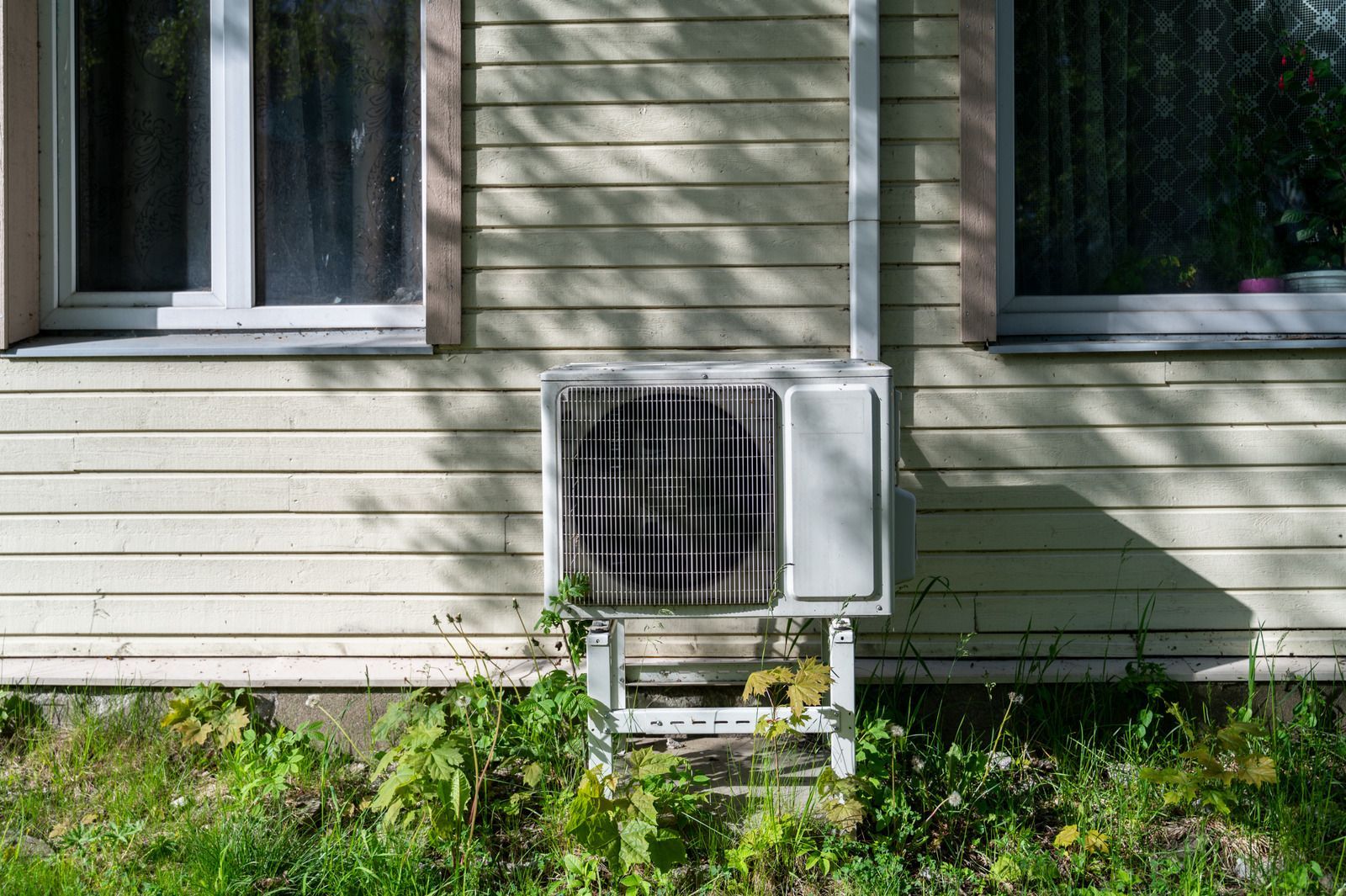
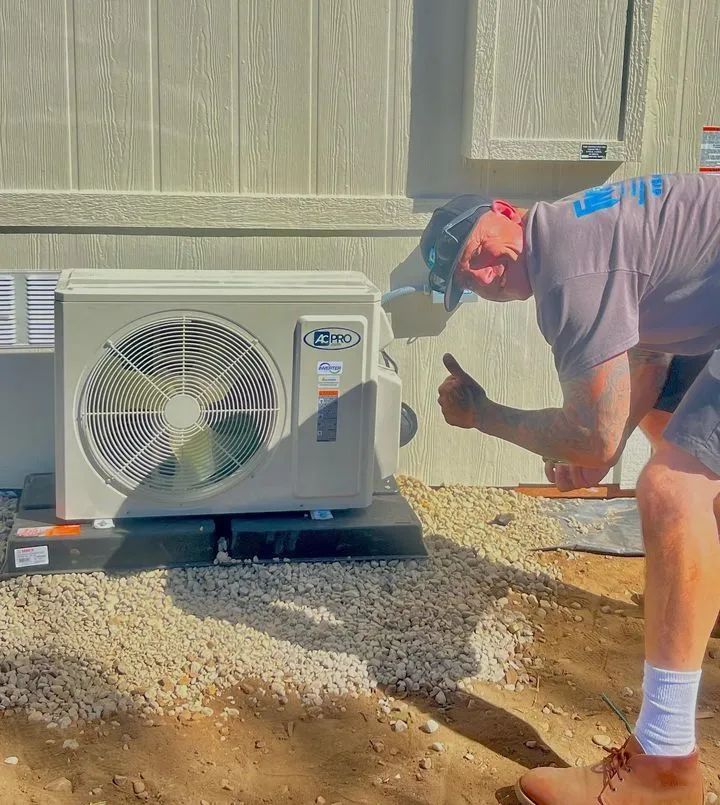
A ductless mini-split skips ducts entirely. An outdoor compressor connects through a small conduit to one or more indoor air handlers mounted directly in the rooms you want to condition. Each indoor unit runs on its own, which means you can cool a primary bedroom to one temperature while leaving a guest room a few degrees warmer, or shut off a home office entirely when nobody's using it.
That independence makes mini-splits a strong fit for additions, converted garages, sunrooms, and older homes that were never built with ductwork at all. Running new ducts through finished walls and ceilings is invasive and often impractical. Mounting a compact indoor unit and routing a narrow line set through an exterior wall is a much smaller project by comparison.
Mini-splits also handle mixed-use spaces well. A detached casita, a workshop, or a bonus room over a garage often sits far enough from the main system's ductwork that extending central air to it barely makes sense. A standalone mini-split zone solves that without touching the rest of the house.
Efficiency: Where the Difference Really Shows Up
Efficiency is usually the first thing people ask about, and it's where mini-splits tend to pull ahead on paper. Because they move conditioned air directly into a room instead of pushing it through a duct system, mini-splits avoid the energy loss that comes from leaky or poorly sealed ductwork, a loss that affects even well-maintained central systems in older homes. Manufacturer efficiency ratings reflect that gap: high-end central air systems typically top out in the mid-20s on the SEER2 scale, while some ductless systems reach ratings in the mid-30s.
That doesn't mean central air is inefficient. A well-sealed, properly insulated duct system paired with a modern high-efficiency condenser performs well and keeps a whole house comfortable without the added complexity of multiple indoor units. The efficiency conversation really comes down to your ducts. If they're original to a decades-old home, leaky, or running through a hot attic, you're losing performance no matter how new the outdoor unit is. If your ducts are sound, that penalty mostly disappears.
Zoning and Room-by-Room Comfort
Zoning is the other major fork in this decision. Central AC treats your home as one zone unless you invest in a separate zoning system with dampers and multiple thermostats. Mini-splits are zoned by design. Every indoor head is its own thermostat, which means you're never cooling an empty guest room to the same temperature as the living room where everyone actually spends their time.
This matters more in homes with big swings between rooms. A west-facing bedroom that bakes in the afternoon sun and an east-facing office that stays cool all day are fighting the same thermostat in a central system. With mini-splits, each room gets exactly what it needs.
TIP: Before you decide between systems, walk your home room by room and note which spaces run hot, which stay cold, and which barely get used. That pattern tells you more about whether you need zoning than any efficiency chart does.
Where Each System Fits Best Across San Diego County
The size of the county means no single answer fits every home. Along the coast, homes deal with salt-laden air that accelerates corrosion on outdoor equipment, whether that equipment belongs to a central system or a mini-split. Rinsing and inspecting outdoor units regularly matters no matter which system you choose if you're near the water.
Inland and out toward the desert communities, the story is about sustained heat rather than salt. Homes in these areas run their cooling systems hard for months at a stretch, and that heavy use rewards whichever system handles long run times most efficiently. A well-sized central system with sound ductwork holds up fine here, and so does a mini-split, particularly in additions or rooms that struggle to get enough airflow from the main system.
Mild coastal winters and shoulder-season temperature swings also mean many homes benefit from a system that handles both heating and cooling well, which is where heat-pump versions of either system, central or ductless, tend to outperform straight air conditioning paired with a separate furnace. And during wildfire season, when smoke settles into the region and drives everyone indoors, whichever system you run needs clean filters and unobstructed airflow to keep working the way it should, since heavy particulate loads strain blowers and clog coils regardless of duct configuration.
Installation Considerations Worth Weighing
Ductwork condition is the single biggest factor in this decision, more than climate or even the size of your home. If an inspection turns up ducts that are crushed, disconnected, or running through an unconditioned attic with minimal insulation, that's a strong signal toward either a full duct replacement alongside central air or a shift toward ductless zones that bypass the problem altogether.
Home layout matters too. Multi-story homes with rooms that never seem to match the thermostat reading are common candidates for supplemental mini-split zones even when the main system stays central. Additions built without extending the original ductwork are almost always better served by a standalone ductless unit than by an invasive attempt to tie into existing ducts.
WARNING: Don't assume a mini-split sized for one room can be stretched to cover an open floor plan or a second adjoining space just because it's technically capable of moving air that far. Undersized or improperly placed indoor units struggle to condition space beyond their intended zone, and you'll end up with the same uneven comfort you were trying to fix in the first place. Sizing and placement should match the actual room, not the whole area you'd like it to reach.
Which System Makes Sense for Your Home
If your home has intact ductwork, a fairly uniform layout, and you're comfortable with one thermostat controlling the whole house, central air remains a solid, proven choice. If you're dealing with an addition, a room that never cools right, a home without ducts, or you want the flexibility to condition rooms independently, ductless mini-splits solve problems central air structurally can't.
Plenty of homes across the county end up with a hybrid approach. Central air handles the main living areas where ductwork already performs well, and a mini-split or two picks up the rooms that have always been the exception. That combination often delivers better real-world comfort than forcing either system to do a job it wasn't designed for.
Frequently Asked Questions
Can I replace my central AC with mini-splits throughout the whole house?
Yes, it's done regularly, especially in homes with failing or inadequate ductwork. It usually means installing multiple indoor units, one or more per zone, connected to one or more outdoor compressors. It's a bigger project than a single-room mini-split, but it eliminates duct losses across the entire home.
Do mini-splits work well in San Diego County's climate?
Yes. Mild winters and long cooling seasons suit heat-pump mini-splits particularly well, since they handle both heating and cooling efficiently without the temperature extremes that challenge these systems in colder climates.
Will adding a mini-split affect my existing central AC system?
Not typically. A mini-split zone operates independently of your central system, so adding one to a problem room or an addition doesn't change how the rest of your central AC performs.
Is one indoor mini-split head enough for an entire small addition?
It depends on the square footage, insulation, and layout of the space. A single head handles a bedroom or small office well, but a larger open addition may need a second head or a properly sized multi-zone unit to cool evenly.
Do ductless systems need the same filter maintenance as central AC?
Ductless indoor units use washable filters that need attention more often than a typical central air filter, particularly during wildfire smoke events or high-pollen stretches, since the filter sits right in the room rather than tucked away in a return duct.
Finding the Right Cooling Solution for Long-Term Comfort
For many homeowners, the best answer is not about choosing the newest technology but selecting the system that matches the way the home was built and how the space is used every day. A properly designed central air system continues to provide dependable whole-home comfort when existing ductwork is in good condition, while ductless mini-splits excel in spaces where flexibility, zoning, or the absence of ducts makes traditional installation less practical. Looking beyond equipment alone leads to better long-term performance and energy efficiency.
With 20
years of experience, FRYE Mechanical
has worked with a wide variety of properties throughout San Diego County, from older homes without ductwork to newer residences with modern central systems. Every property presents different challenges, whether related to layout, insulation, or comfort expectations, which is why cooling solutions are rarely one-size-fits-all. Understanding how each system performs within a specific home creates a more balanced perspective and helps homeowners make decisions that continue to work well for years rather than just the next season.