Why Your HVAC System Quietly Loses Efficiency Every Season You Skip a Tune UP
You set the thermostat where you always do, but the house takes longer to get there than it did last summer. The air from the vents still feels cool, the system is running, nothing is broken, so you let it go. A few weeks later the upstairs rooms never quite catch up in the afternoon, and the unit outside seems to run almost without stopping. None of it feels like a real problem yet. That slow shift you are noticing is how an HVAC system quietly loses efficiency, and it almost never announces itself.
Skipping a single tune up rarely causes a breakdown. What it does is let small losses stack on top of each other, season after season, until your system works far harder than it should to deliver the same comfort. This kind of decline is predictable, measurable, and almost entirely reversible when it is caught early. Understanding what actually changes inside the equipment each year is the difference between a quick correction and a system that wears itself out years ahead of schedule.
The Quiet Way Your HVAC Loses Efficiency
Efficiency rarely disappears all at once. It leaks away in small percentages your senses are not built to detect. A system that loses a few points of performance in a year still cools the house, so you adjust without realizing it. You run it a little longer, set it a little lower, and accept that the back bedroom stays warm. By the time the loss is obvious, the equipment has often been straining through two or three summers in a row.
The reason this matters in our climate is run time. Inland parts of the region ask the air conditioner to work hard for months at a stretch, so every percent of lost efficiency turns into hundreds of extra running hours across a single cooling season. Those hours are what age compressors, motors, and capacitors faster than anything else.
What Changes Inside Your System Each Season
Most of the loss comes down to restricted airflow and dirty heat transfer surfaces. Start with the filter and the blower. As dust loads the filter, the blower pulls against more resistance, which lowers the volume of air moving across the indoor coil. Less airflow means less heat removed per cycle, so the system runs longer to reach the same temperature.
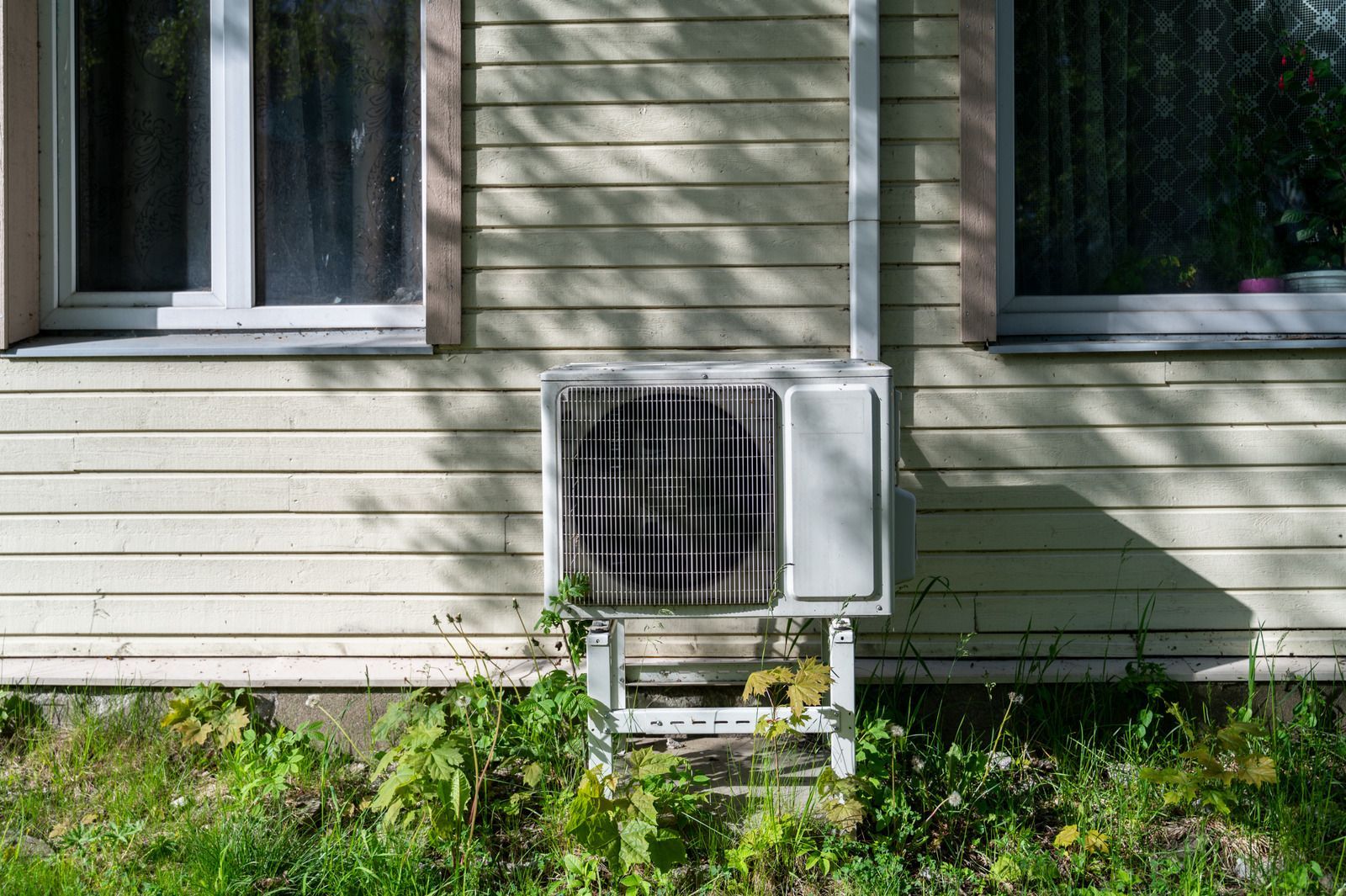
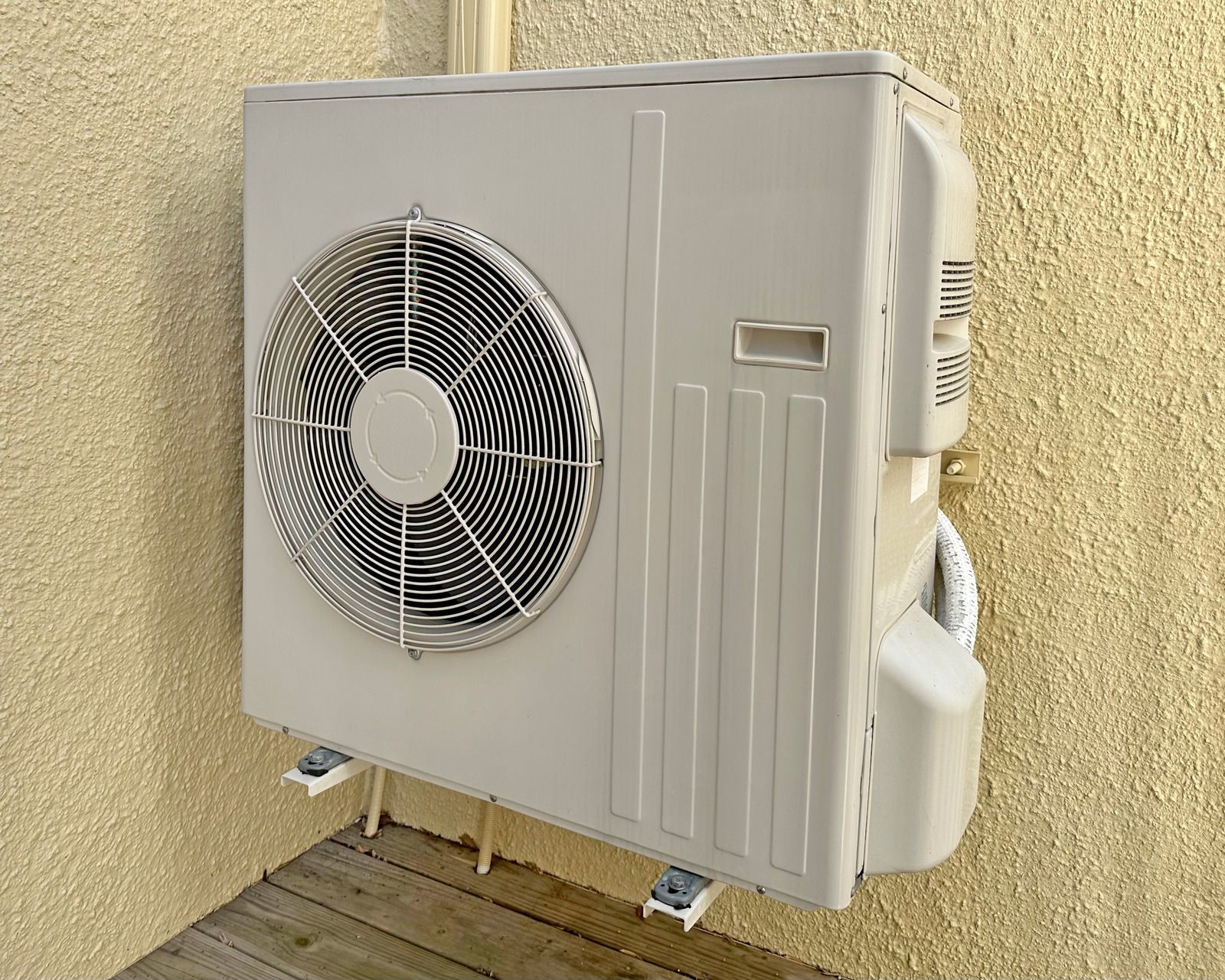
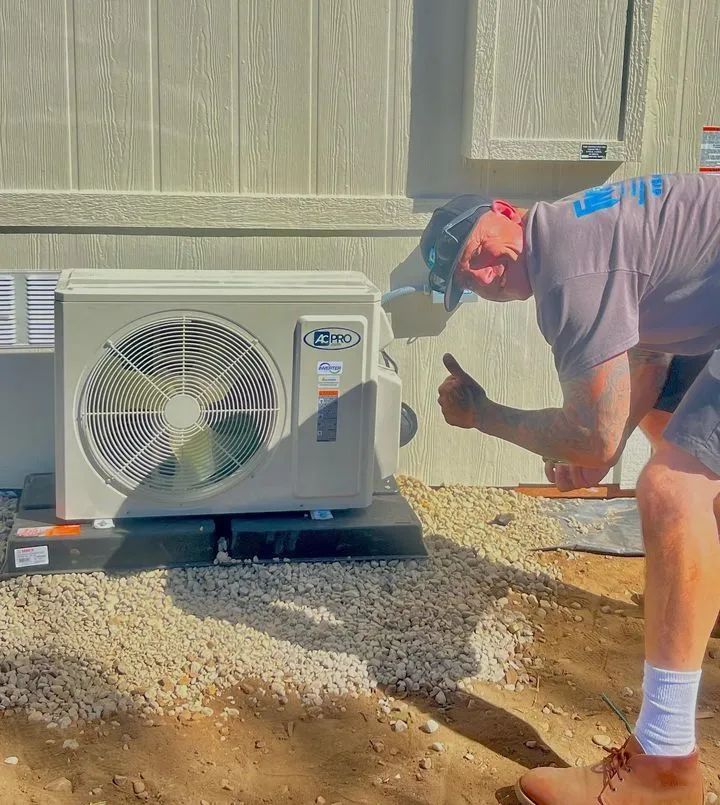
The coils are the second quiet offender. A thin film of dust on the indoor evaporator coil acts like a blanket, insulating the cold surface from the air it is meant to chill. Outside, when the condenser fins pack with dirt, pollen, and grass clippings, the heat pulled from your home has nowhere to go. Head pressure climbs and the compressor works harder.
Refrigerant charge also drifts over time through small fittings and seals, and even a slight undercharge forces longer run times for less cooling. On the electrical side, capacitors weaken with heat and age, making motors draw more current to do the same work. None of these is dramatic alone. Together they compound.
Why Climate Speeds the Decline
Local conditions decide how fast your system drifts, and ours push in two directions at once. Closer to the coast, salt in the marine air settles on outdoor coils and electrical contacts, where it corrodes aluminum fins and pits contactor surfaces faster than equipment a few miles inland ever sees. A condenser within reach of the ocean breeze can show corrosion years before a sheltered one.
Move into the inland valleys and the problem flips to heat and dust. Long dry summers and Santa Ana winds drive fine grit straight into the condenser, packing the fins and forcing the unit to reject heat into already hot air. Smoke and ash from regional fire season can load indoor filters within days rather than months. Because winters here stay mild, heating runs little, so the cooling side carries almost the entire workload, which is why a skipped tune up shows up faster in this region than in places with a true off season.
What a Real Tune Up Catches That You Cannot
A proper tune up follows a sequence, not a series of guesses. We start at airflow, measuring the temperature difference between the air entering and leaving the indoor coil. A healthy split usually lands between 16 and 22 degrees. A reading outside that range tells us where to look next before any part is touched.
From there we check the coils, the refrigerant pressures, and the electrical components under load. On service calls we frequently find a capacitor reading well below its rating while the homeowner had no idea anything was wrong, because the system was still cooling. We test motor amperage, inspect the contactor for pitting, and clean the condenser coil properly rather than blasting it. Each correction restores a small piece of lost performance, and together they bring the system back near where it started.
TIP: Set a recurring reminder to check your filter once a month during cooling season. Hold it up to a light. If light barely passes through, swap it. This one habit prevents the biggest and fastest source of efficiency loss between professional visits.
WARNING: Never open the electrical access panel on your outdoor unit or attempt to test a capacitor yourself. Capacitors store a charge even after the power is off and can deliver a serious shock. Refrigerant and electrical work belong with a trained technician.
Mistakes That Quietly Make It Worse
The most common mistake we see is reasonable on its face: buying the thickest, highest rated filter on the shelf. A filter too restrictive for your blower starves the system of airflow and creates the exact problem you were trying to prevent. Match the filter to what your equipment is designed to pull.
The second is treating a clean filter as a full maintenance plan. Filters protect the blower and indoor coil, but they do nothing for the outdoor coil, the refrigerant charge, or the electrical parts. The third is setting the thermostat far lower than you want, believing it cools faster. It does not. The system removes heat at the same rate either way and simply runs longer, which is more wear, not faster comfort. An annual tune up before cooling season is what keeps these small losses from compounding into a real decline.
Frequently Asked Questions
How often should I schedule an HVAC tune up?
Once a year, ideally in spring before the cooling season carries the heaviest load. Systems near the coast or running through long inland summers often benefit from a second visit in early fall. Annual service keeps small efficiency losses from stacking up across seasons and helps your equipment reach the full working lifespan it was designed to deliver every summer.
Can a skipped tune up actually damage my system?
Yes. Lost airflow and a weak capacitor force the compressor and blower motor to run hotter and longer than designed. Over a few seasons that added strain is what causes early compressor and motor failures. A missed tune up rarely shows itself right away, which is exactly why the damage builds quietly before it finally becomes a much larger repair.
Is it safe to clean the outdoor unit myself?
You can gently rinse the outdoor coil from outside with a garden hose on low pressure, spraying straight through the fins from top to bottom. Never open the electrical panel or use a pressure washer, which bends fins and risks shock. Leave refrigerant checks, electrical testing, and deeper internal cleaning to a trained technician who can safely do the rest.
Does coastal air affect HVAC systems differently here?
Yes. Salt in the marine air corrodes aluminum coil fins and pits electrical contacts, so coastal systems often degrade faster than inland ones. Rinsing the outdoor coil more frequently and scheduling earlier seasonal service helps offset the extra wear that ocean air puts on equipment. Watching for white corrosion on the outdoor unit gives you an early warning sign too.
Will a tune up really lower my energy use?
Usually, yes. Clean coils, correct refrigerant charge, and healthy electrical parts let the system reach your set temperature in shorter cycles. Shorter run time means less energy drawn for the same comfort, which is why neglected systems often run noticeably longer than well maintained ones. You often notice the difference first in faster cooling and steadier temperatures between your rooms.
Reliable Cooling Help You Can Schedule With Confidence
Efficiency does not vanish in one failure. It erodes quietly through airflow, coils, refrigerant, and electrical wear that build on each other every season you skip service. In San Diego County, where mild winters push almost the entire load onto your cooling system and coastal salt and inland dust accelerate that wear, the decline arrives faster and hides longer than it does in most of the country. That is exactly why staying ahead of it matters here more than most homeowners expect.
With 20
years of experience keeping systems efficient across the region, FRYE Mechanical
helps homeowners all across San Diego County catch these losses before they turn into repairs. Schedule your seasonal tune up with us and keep your system running the way it was built to.