Heat Pumps vs. Traditional AC and Furnace Systems: Which One Fits Your Home?
Quick Answer: A heat pump is one outdoor unit that both cools your home in summer and heats it in winter by moving heat rather than burning fuel. A traditional setup pairs an air conditioner for cooling with a furnace for heating, two separate machines doing two separate jobs. For most San Diego County homes, where winters stay mild and cooling runs for months, a heat pump is a strong fit because it handles both seasons with one system. A traditional AC and furnace pair still makes sense in colder mountain communities like Julian, in homes with a furnace that has plenty of life left, or where a household simply prefers the feel of gas heat. The right answer depends on your winter lows, your ductwork, and how you use your home.
Picture a homeowner in Escondido whose air conditioner is on its last summer and whose furnace, tucked in a hall closet, is nearly as old. The question comes up almost every time we sit down with someone in that spot: do we replace both like for like, or is it time to consider a heat pump? It is a fair question, and it deserves a straight answer instead of a sales pitch for either side.
We install and service both approaches for residential and commercial customers across the county, from Carlsbad and Encinitas on the coast to Ramona, Alpine, and Julian in the backcountry. Here is how the two really differ, where each one shines, and what to think through before you decide.
How a Traditional AC and Furnace System Works
A conventional home comfort setup uses two pieces of equipment that share one set of ducts. The air conditioner has an outdoor condenser and an indoor coil. In summer it pulls heat out of your indoor air and releases it outside. The furnace sits indoors, usually in a closet, garage, attic, or crawlspace, and warms air by burning natural gas or propane, or in some homes by running electric resistance elements. A single blower moves the conditioned air through the ducts and out of your registers either way.
This pairing has been the default for decades, and it works. Technicians everywhere know it well, parts are easy to find, and the gas furnace delivers a hot, fast blast of warm air on a cold morning. The tradeoff is that you are maintaining two machines with two different life spans, two different sets of parts that can fail, and, if you use gas, a combustion appliance that needs its own attention every year.
How a Heat Pump Works
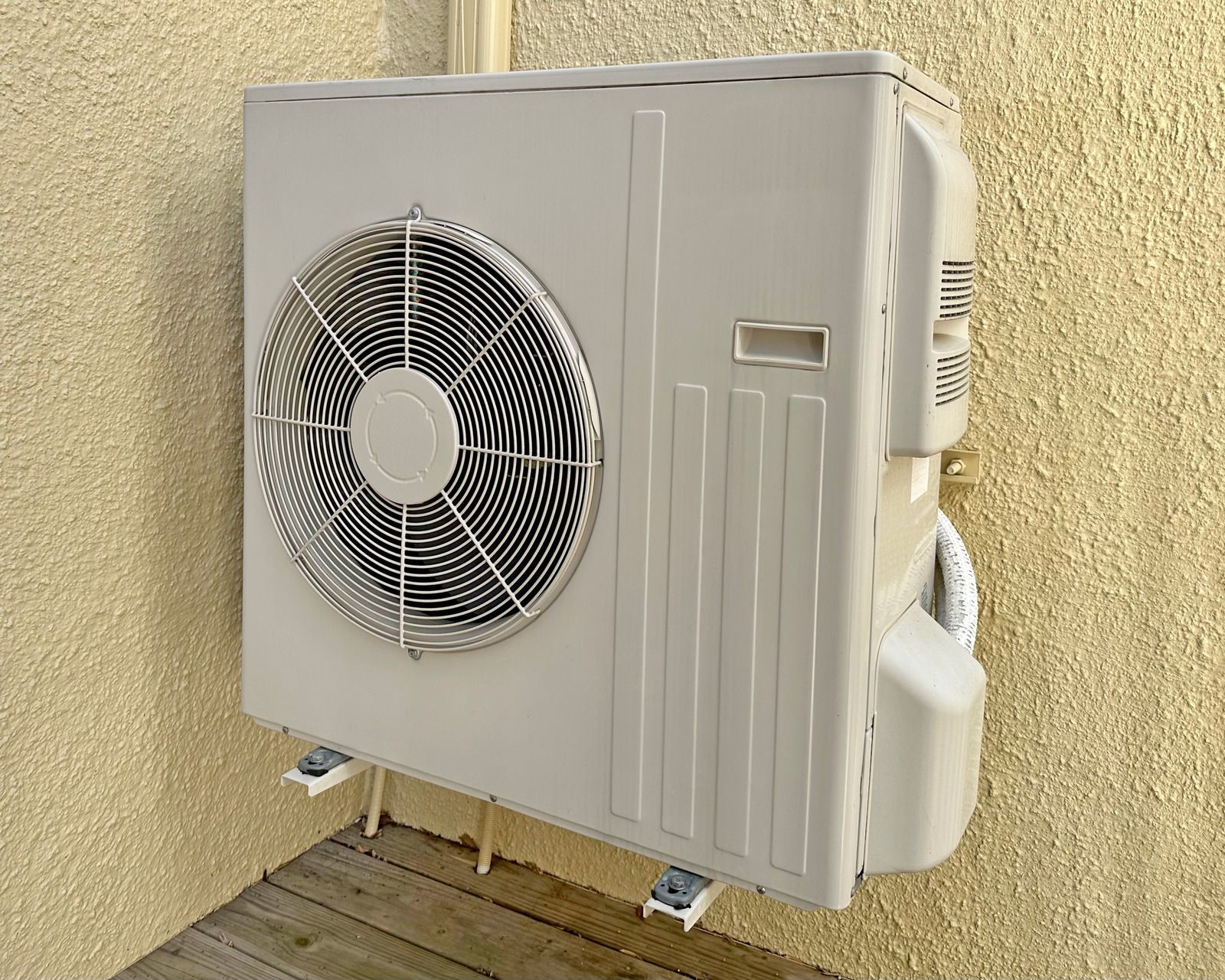
A heat pump looks a lot like an air conditioner outside, and in summer it behaves exactly like one. The refrigerant cycle pulls heat from inside your home and moves it outdoors. The clever part is that the cycle can run in reverse. In winter, the heat pump pulls heat from the outdoor air, even when that air feels cool to you, and carries it inside.
That is the key idea to hold onto: a heat pump moves heat instead of making it. Because moving heat takes less energy than generating it, a heat pump can deliver more heating output than the electricity it draws. That is why efficiency conversations around heat pumps sound so different from conversations about furnaces.
Most heat pump systems are a split design, with an outdoor unit and an indoor air handler that connects to your existing style of ductwork. Some homes pair a heat pump with a backup heat source for the coldest nights, and ductless heat pumps serve rooms and additions without ducts at all, which we covered in our comparison of central air and ductless systems.
Why the Climate Here Changes the Answer
The heat pump versus furnace debate looks very different in Minneapolis than it does in San Diego County. Heat pumps work hardest, and lose the most efficiency, when outdoor temperatures drop well below freezing. Most of our service area rarely sees that kind of weather.
Along The Coast
In Carlsbad, Oceanside, Encinitas, and coastal San Diego, mild winters mean furnaces run less often. Heat pumps can handle both heating and cooling efficiently, but salt air remains a concern. Regular coil cleaning, rinsing, and corrosion protection help any outdoor equipment withstand coastal conditions.
Across The Inland Valleys
Escondido, Poway, El Cajon, Santee, Vista, and Temecula experience long, hot summers and cooler winter mornings. Because cooling demand is high while heating needs are usually moderate, a heat pump can handle both seasons efficiently. One system also simplifies equipment and maintenance for many households.
Up In The Mountains And Backcountry
Julian, Alpine, and parts of Ramona experience colder nights, freezing temperatures, and occasional snow. Heat pumps can still perform well when properly selected, especially cold-climate models. Some homes use backup heat or retain furnaces for the coldest periods, depending on property conditions.
During Wildfire Season
Smoke and ash can affect HVAC equipment throughout San Diego County during severe wildfire seasons. Filters clog faster, coils collect fine particles, and systems running longer experience greater exposure. Heat pumps operate during both heating and cooling seasons, making regular filter changes especially important.
Comfort: How the Two Feel Different
Comfort is where many homeowners have strong opinions, so it is worth being honest about the difference. A gas furnace produces very hot air at the register, often noticeably warmer than your skin, so the airflow feels toasty. A heat pump delivers warm air too, but at a gentler temperature, so the air coming out of a register can feel merely warm rather than hot. The house still reaches the temperature you set on the thermostat, but the sensation on your hand at the vent is different, and it takes some people a few weeks to get used to it.
Heat pumps also tend to run longer, steadier cycles at lower output rather than short, intense bursts. That steady operation is often a comfort advantage, since it keeps temperatures more even from room to room and pairs well with good air filtration. Variable speed and multi stage heat pump models take this further, adjusting their output to match what your home needs at that moment rather than simply being on or off.
Efficiency: Moving Heat Versus Making Heat
Efficiency is the headline reason heat pumps get so much attention. Cooling efficiency for both system types is rated on the SEER2 scale, which we explained in our earlier article on SEER ratings, so a heat pump's summer performance is judged the same way as an air conditioner's. Heating is where they diverge. Heat pumps carry a heating rating called HSPF2, which measures how much heat they deliver across a season compared with the electricity they use. Gas furnaces use a different measure, AFUE, which describes how much of the fuel they burn ends up as usable heat.
The practical takeaway is that the two ratings are not directly comparable. A furnace turns fuel into heat, and even a very efficient one cannot deliver more heat than the energy it burns. A heat pump gathers heat that already exists outdoors and brings it inside, which is why it can beat the raw energy input in mild conditions. In a climate as gentle as ours, that advantage applies for most of the heating season across most of the county.
Ductwork still decides the outcome. Whichever direction you go, leaky, undersized, or poorly insulated ducts waste conditioned air before it reaches a room. This matters a little more with a heat pump, because its gentler air temperature leaves less margin for losses in an attic or crawlspace. If your ducts are original to an older home, we usually recommend having them evaluated at the same time as the equipment decision.
TIP: Before you choose a system, note how long your heating season really lasts in your home. If you only use heat for a few weeks in winter and lean on cooling for most of the year, that pattern points strongly toward a heat pump. If you run heat most of the winter and your home sits at elevation, the picture is more balanced.
Installation and What Changes in Your Home
Replacing an air conditioner and furnace with a heat pump is usually a simple swap when a home already has ductwork and a place for an indoor air handler. The outdoor unit takes the place of the old condenser, and the indoor air handler takes the place of the furnace and coil. There are practical details to sort out along the way.
Your home's electrical service needs to support the new equipment, and a heat pump that takes over heating duty may draw differently than an air conditioner alone. Gas lines that once fed a furnace need to be handled properly if the furnace goes away. Placement of the outdoor unit matters too, since a heat pump in heating mode produces condensate and needs room to drain and to breathe. In cooler, damp conditions the outdoor coil can frost up, and the unit periodically runs a defrost cycle to clear it. That brief cycle is normal, and a properly installed system manages it without any attention from you.
New construction and major remodels have an advantage here. When ducts, electrical capacity, and equipment locations are planned together from the start, a heat pump system is designed around the home instead of squeezed into it. If you are building or gutting a home, this is a good moment to think about the whole comfort system at once.
Maintenance: One System or Two
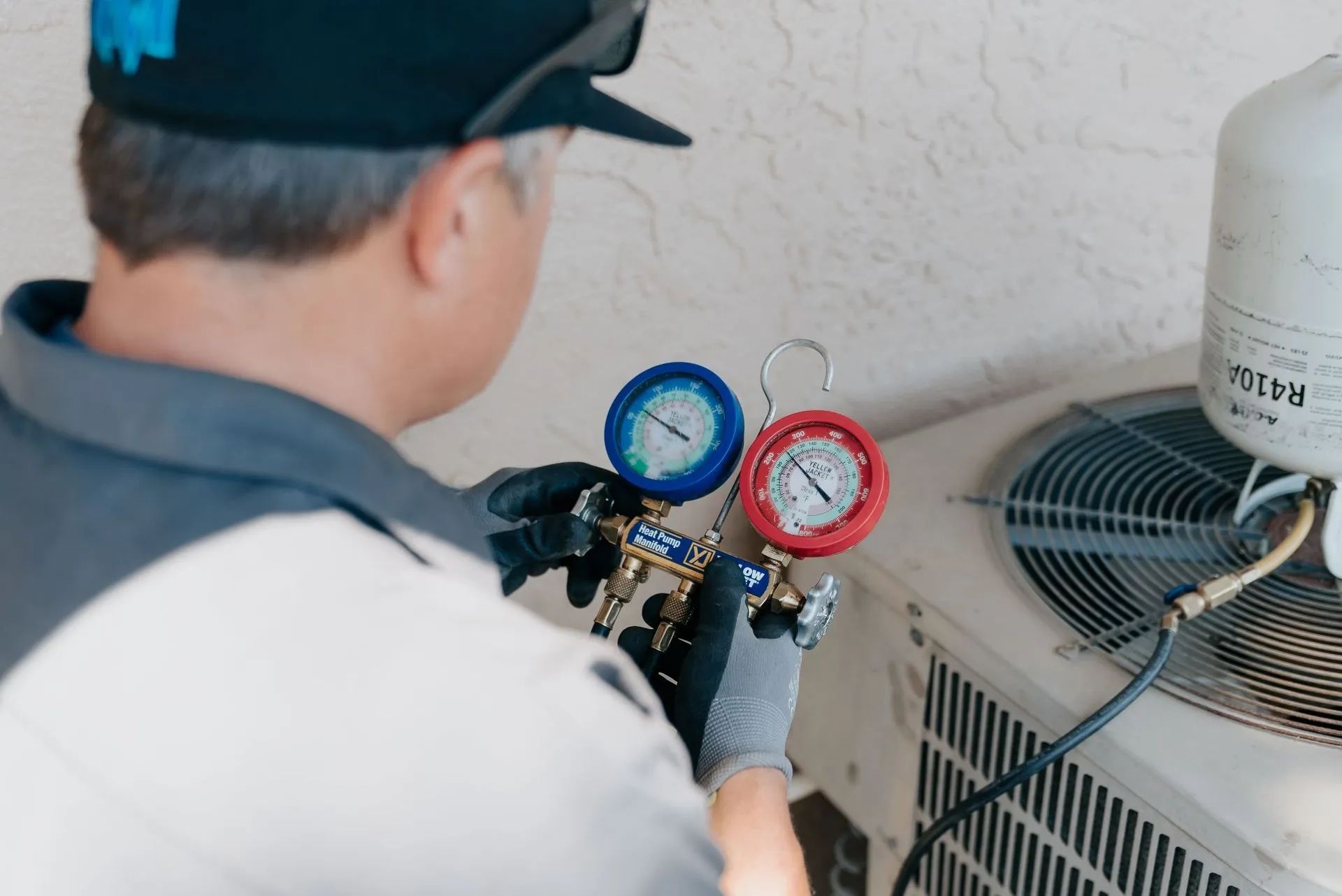
A traditional pair means two annual checkups in spirit: cooling components before summer and heating components, including combustion safety checks on a gas furnace, before winter. A heat pump concentrates that work into one system, but that system runs through both seasons, so it deserves a regular tune up that looks at the coils, refrigerant circuit, electrical connections, blower, and drain lines, along with fresh filters.
For coastal homes, cleaning the outdoor coil to remove salt residue is a smart habit. For inland and foothill homes, keeping the area around the outdoor unit clear of dust, leaves, and brush matters, especially in fire prone areas where debris accumulates quickly. Whatever system you have, a maintenance visit catches small problems while they are still small.
WARNING: Do not keep running a heat pump that is icing over solidly, blowing cold air in heating mode, or making unusual grinding or buzzing sounds. A thin layer of frost that clears on its own is part of normal defrosting, but heavy ice that builds and stays can signal an airflow or refrigerant problem, and running the system through it can damage the compressor.
Commercial Buildings Have Their Own Considerations
Many small businesses across the county, from offices in Vista to shops in El Cajon, use packaged rooftop units that combine cooling and heating in one cabinet. Those units come in heat pump versions as well as versions that pair cooling with gas heat. The decision rests on the same questions, including how many hours of heating the space truly needs, how the building is used, and what the roof and electrical service can support, but commercial spaces add extra variables such as equipment loads, occupancy patterns, and fresh air requirements. We evaluate each building on its own terms.
Who Should Lean Toward Which System
There is no single right answer, but there are patterns worth knowing.
A heat pump tends to be a great fit if your winters are mild, your cooling season is long, your air conditioner needs replacing anyway, and you like the idea of one system doing both jobs. It also suits homes that want to reduce reliance on combustion appliances, and it fits well in new construction and remodels where the whole system is designed together.
A traditional AC and furnace pair tends to make sense if you live at higher elevation where winter nights get properly cold, if your existing furnace is in good shape and only the air conditioner needs replacing, or if you strongly prefer the hot air feel of gas heat. It also remains a reasonable choice when a home's electrical capacity or layout makes a switch more involved than the household wants to take on right now.
Some homes land in between, and a dual system that pairs a heat pump with a gas furnace for backup can offer the best of both. The heat pump handles the mild days, and the furnace steps in only when temperatures fall low enough to make it worthwhile.
Frequently Asked Questions
Do heat pumps really work in San Diego County winters?
Yes. Most of our service area has mild winters, where heat pumps perform well. Coastal and valley homes rarely get cold enough to strain one. Around Julian, consider a cold weather model or backup heat.
Is a heat pump only for heating?
No. A heat pump cools in summer just as an air conditioner does, and it heats in winter by reversing the same cycle. That is why one outdoor unit replaces both a condenser and furnace.
Will a heat pump make my home feel colder in winter?
Register air is gentler than gas furnace air, so it can feel less hot on your hand, but the home still reaches your thermostat setting. Longer, steadier run times often keep room temperatures more even.
Can I keep my furnace and add a heat pump?
Often, yes. A dual fuel arrangement pairs a heat pump with a furnace, using the heat pump for mild weather and the furnace on the coldest days. It suits homes at higher elevation especially well.
Does a heat pump need special maintenance?
It needs the same care as an air conditioner, but because it runs in both seasons, regular filter changes and yearly service matter more. Coastal homes should also keep salt residue off the outdoor coil.
Is a heat pump a good choice for a business?
It can be. Many rooftop packaged units come as heat pumps, a strong option for buildings with modest heating needs. The right choice depends on how the space is used and what the building supports.
Matching the Right System to Your Home's Needs
Heat pumps and traditional AC and furnace pairs both keep homes comfortable, but they get there in very different ways. One moves heat in both directions from a single outdoor unit, while the other splits cooling and heating between two machines. Across most of the county, mild winters and long summers tilt the balance toward heat pumps, yet colder backcountry nights, a healthy existing furnace, or a love of gas warmth can still make the traditional route the sensible pick.
With 20
years of work across San Diego County, California, our team at FRYE Mechanicall has installed and serviced both approaches in coastal cottages, valley ranch homes, and busy commercial buildings. That experience has shown us that the best system is rarely the newest or the cheapest, but the one matched to how a household actually lives. When the equipment fits the climate, the ductwork, and the people inside, comfort stops being something you think about and simply becomes part of home.